





The Central Business Districts (CBDs) of the Philippines are more than just geographic areas — they are the lifeblood of the country’s economy. These bustling hubs of commerce, finance, and culture host multinational corporations, high-end residential developments, retail complexes, and lifestyle destinations.
As urbanization continues to accelerate and foreign investment grows, Philippine CBDs are evolving into dynamic spaces that define the nation’s commercial and cultural identity. From the historic streets of Binondo in Manila to the modern towers of Bonifacio Global City (BGC) in Taguig, each district offers a unique blend of business, lifestyle, and opportunity.
In this guide, we explore the country’s major CBDs, their economic significance, infrastructure, investment potential, and what the future holds for these vital urban centers in 2026.
Understanding What Makes a Central Business District
A Central Business District is a city’s commercial heart. It’s where corporations, banks, government offices, and cultural institutions converge. In the Philippines, CBDs are defined not just by office towers and business activity but also by their mix of lifestyle, retail, and residential spaces, which makes them vibrant and dynamic places to live, work, and invest.
Key characteristics include:
- High concentration of corporate headquarters and financial institutions
- Retail, dining, and lifestyle hubs
- Accessibility via major transportation networks
- Residential developments within or nearby the district
Why Central Business District or CBDs Are Critical to the Philippine Economy
CBDs play a pivotal role in driving the country’s economic growth. They act as engines for:
- Economic Output: Hosting multinational companies, BPO centers, and financial institutions.
- Employment: Offering thousands of jobs in finance, IT, retail, and professional services.
- Foreign Investment: Attracting multinational firms and global investors looking for strategic regional bases.
- Innovation: Leading in smart city initiatives, digital connectivity, and urban planning.
Whether you’re a business owner, investor, or professional, understanding the dynamics of CBDs is key to tapping into their opportunities.
Where are the Central Business District or CBDs in the Philippines Located?
Metro Manila: The Heart of Philippine CBDs
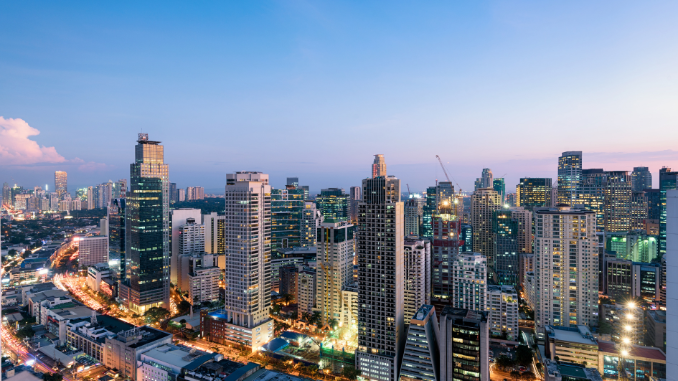
Metro Manila remains the most developed hub for business in the Philippines, with several key districts offering unique advantages.
Makati Central Business District
Makati has long been the country’s premier business district. It hosts major banks, multinational corporations, and luxury residential developments. Malls like Greenbelt and Glorietta provide not just shopping but a lifestyle ecosystem, making Makati a complete urban experience.
Makati’s appeal lies in its strategic location, established infrastructure, and prestige, making it a preferred address for top-tier businesses.
Bonifacio Global City (BGC)
Located in Taguig City, BGC is the newest and fastest-growing CBD in Metro Manila. Known for its modern urban design, wide streets, green spaces, and art installations, BGC is both a business and lifestyle destination.
Global corporations, fintech firms, and startups flock to BGC for its safe, walkable environment and world-class amenities, creating a vibrant and innovative business ecosystem.
Ortigas Center
Straddling Pasig, Mandaluyong, and Quezon City, Ortigas Center offers a mix of office, retail, and residential developments. It’s home to corporate offices, BPO hubs, and key commercial centers such as SM Megamall and Shangri-La Plaza. Its location makes it a strategic midpoint between Makati and BGC.
Manila Central Business District
The Manila CBD, including historic areas like Binondo and the Cultural Center of the Philippines (CCP) Complex, is the country’s oldest commercial hub. Binondo, the world’s oldest Chinatown, is a trading powerhouse, while the CCP Complex fosters creative industries. Manila CBD balances commerce, culture, and history in a unique urban fabric.
Emerging Metro Manila Business Hubs
While the traditional CBDs remain dominant, emerging areas are reshaping Metro Manila’s economic landscape.
- Quezon City is developing as a media, healthcare, and research hub, attracting corporate satellite offices.
- Bay Area (Pasay and Parañaque) is transforming with Entertainment City, convention centers, and premium hotels.
- Tech-driven zones are sprouting across urban corridors, catering to e-commerce, IT, and innovation startups.
These new hubs offer alternatives for businesses looking to expand without the congestion of traditional districts.
Central Business District or CBDs Beyond Metro Manila
Economic activity is increasingly spreading to other Philippine cities, giving rise to regional CBDs with their own identity.
Cebu Business District
Cebu City serves as the commercial and business center of the Visayas. It boasts IT parks, BPO hubs, retail malls, hotels, and convention centers. Cebu’s strategic location and infrastructure make it a gateway for regional trade and investment.
Davao City
Davao CBD is Mindanao’s economic powerhouse, with banking, real estate, and agribusiness sectors thriving. Its safe environment, robust infrastructure, and business-friendly policies attract investors and professionals alike.
Iloilo City
Iloilo’s CBD is emerging as a center for education, healthcare, and retail. Its strategic proximity to Panay Island’s ports supports commerce and logistics, while residential and mixed-use developments enhance the urban experience.
Clark and Subic
These former military bases are now planned economic zones with CBD features. Clark and Subic offer modern infrastructure, logistics and aviation hubs, and industrial parks. They are ideal for export-oriented and manufacturing businesses seeking strategic locations outside Metro Manila.
Infrastructure: The Engine of CBD Growth
CBD growth is closely tied to infrastructure development. Key components include:
- Transportation Networks: Roads, expressways, and rail systems (LRT, MRT, Metro Manila Subway) facilitate mobility and commerce.
- Digital Connectivity: High-speed internet and fiber optic networks support modern business operations and remote work.
- Sustainability and Smart City Initiatives: Energy-efficient buildings, urban green spaces, and innovative urban planning make CBDs attractive and future-ready.
Business and Investment Opportunities
CBDs are magnets for investment across multiple sectors:
- Real Estate: Office towers, residential developments, mixed-use complexes
- Retail and Lifestyle: Shopping centers, entertainment hubs, hotels
- BPO and IT Services: Call centers, tech startups, IT parks
- Logistics and Supply Chains: Warehousing and transportation hubs
With strategic government incentives, CBDs in the Philippines offer fertile ground for both local and foreign investors.
Real Estate Trends in Philippine CBDs
Recent trends in CBD real estate include:
- Rising demand for Grade-A office spaces
- Development of mixed-use complexes combining residential, office, and retail
- Expansion of flexible coworking spaces
- Adoption of sustainable and smart building certifications
Investors prioritize walkable, amenity-rich neighborhoods, which enhance both property value and lifestyle appeal.
Challenges Facing Philippine CBDs
Despite their growth, CBDs face several challenges:
- Traffic congestion and urban density
- Affordable housing and urban sprawl
- Environmental concerns and climate change
- Infrastructure bottlenecks
Addressing these challenges requires collaboration between government, developers, and private stakeholders.
The Future of Philippine Central Business District
Looking ahead, CBDs in the Philippines are expected to:
- Integrate more mass transit and smart city solutions
- Expand regional hubs beyond Metro Manila
- Support new industries such as fintech, creative tech, and green energy
- Continue attracting foreign investment and global talent
CBDs will remain the economic and cultural anchors of Philippine cities.
Filepino: Your Partner in Philippine Central Business District Expansion
Navigating the Philippine business landscape can be complex. Filepino helps businesses:
- Register companies in strategic CBD locations
- Obtain necessary government permits and licenses
- Ensure compliance with the SEC, BIR, and local government units
- Access expert guidance for foreign investments and business expansions
Whether you’re establishing your first office in Makati, expanding to BGC, or entering regional CBDs like Cebu or Davao, Filepino provides end-to-end solutions.
Start Your Business Expansion with Filepino Today.
Final Thought
The Central Business Districts of the Philippines are more than just commercial hubs — they are engines of economic growth, innovation, and opportunity. From the established towers of Makati and BGC to emerging centers like Cebu, Davao, and Clark, these districts offer businesses access to talent, infrastructure, and strategic networks.
For investors and entrepreneurs, understanding each CBD’s unique advantages is crucial for making smart decisions. With expert guidance and local support, companies can navigate regulatory requirements, tap into thriving markets, and fully leverage the growth potential these vibrant business centers offer. In 2026 and beyond, Philippine CBDs will continue to shape the nation’s economic landscape, making them essential destinations for businesses looking to thrive.
… and you might just need our assistance.
We are happy to help fledgling entrepreneurs get their ventures off the ground. Set up a consultation with FilePino today! Call us at (02) 8478-5826 (landline) and 0917 892 2337 (mobile) or send an email to info@filepino.com.