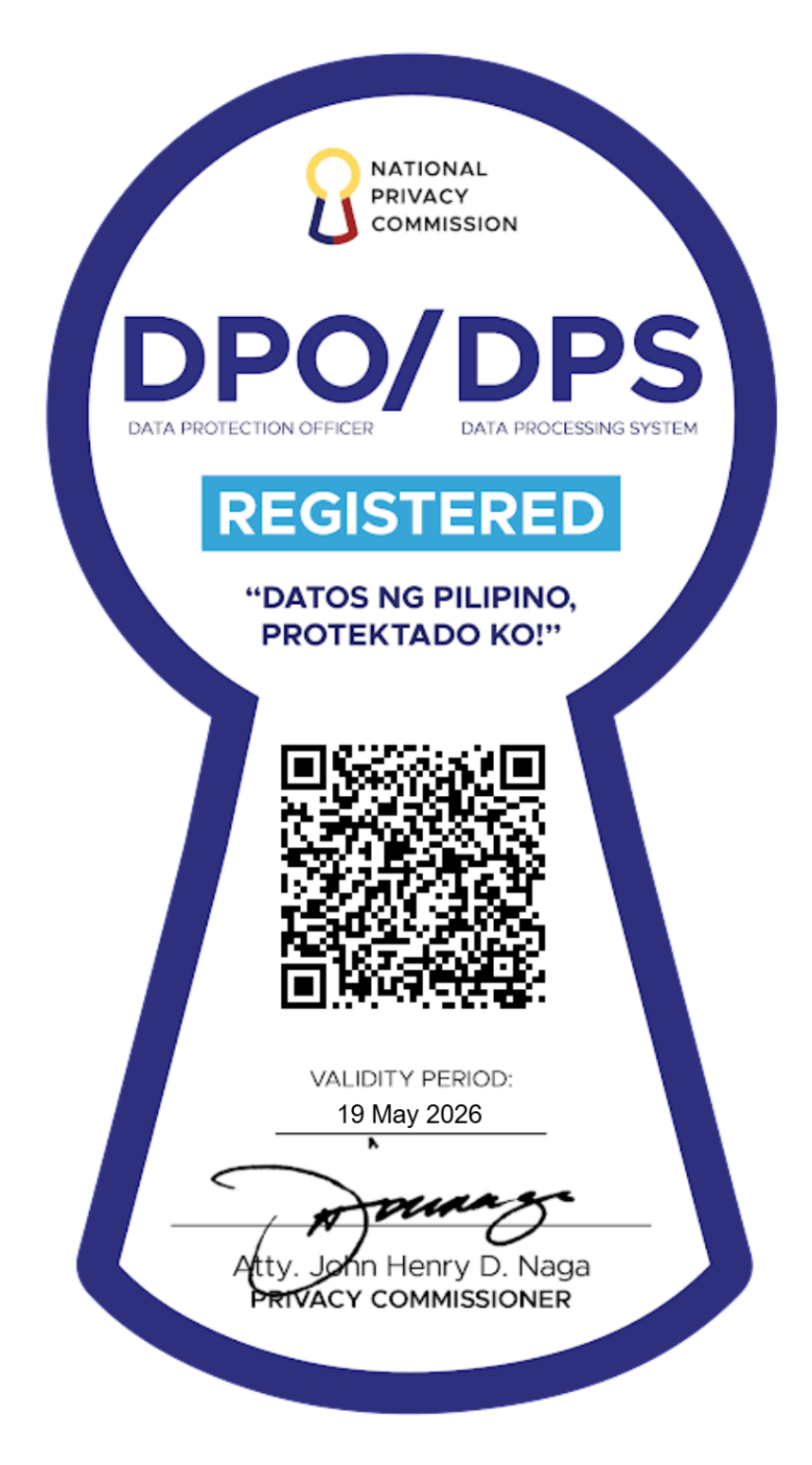






In today’s digital world, personal data has become one of the most valuable assets for businesses and organizations. From employee records and customer databases to online transactions and marketing systems, companies rely heavily on collecting and processing information to operate efficiently. However, with the increasing amount of personal data being handled daily, protecting that information has become more critical than ever.
In the Philippines, data privacy and protection are governed by the Data Privacy Act of 2012, a law designed to safeguard personal information and ensure responsible data processing by organizations. This law is implemented and enforced by the National Privacy Commission (NPC), the government agency responsible for monitoring compliance with data protection regulations.
To help organizations comply with the law, the NPC introduced a structured framework known as the Five Pillars of Compliance. These pillars serve as a practical guide for businesses, institutions, and organizations in building an effective data privacy program.
Understanding these pillars is essential not only for legal compliance but also for strengthening cybersecurity, maintaining customer trust, and protecting sensitive information from misuse.
Why NPC Compliance Matters for Businesses
Many businesses view data privacy compliance as simply another regulatory requirement. However, in reality, NPC compliance plays a much larger role in modern business operations.
Organizations today face increasing risks from cyberattacks, data breaches, and unauthorized access to sensitive information. A single security incident can damage a company’s reputation, disrupt operations, and result in costly penalties.
By complying with the Data Privacy Act of 2012, organizations can achieve several important benefits:
Strengthening Data Security
Implementing data protection measures helps prevent unauthorized access and protects confidential information.
Building Customer Trust
Consumers are becoming more aware of their privacy rights. Businesses that demonstrate strong data protection practices gain greater credibility.
Avoiding Legal Penalties
Failure to comply with data privacy regulations may lead to administrative fines, criminal liability, and regulatory investigations.
Supporting Business Growth
Many international partners and investors require strict compliance with data protection laws before engaging in business partnerships.
Ultimately, NPC compliance is not only about avoiding penalties—it is about building a culture of accountability and responsibility when handling personal data.
Understanding the NPC Five Pillars of Compliance
To guide organizations in meeting their obligations under the Data Privacy Act of 2012, the National Privacy Commission established five key areas that every organization should implement.
These five pillars form the foundation of a strong data privacy framework:
- Appoint a Data Protection Officer
- Conduct a Privacy Impact Assessment
- Establish a Privacy Management Program
- Implement Data Protection Measures
- Exercise Data Breach Response Procedures
Each pillar represents an important step toward ensuring that personal data is handled responsibly and securely.
Pillar 1: Appoint a Data Protection Officer
The first pillar focuses on accountability within an organization.
Businesses and institutions that process personal data are required to appoint a Data Protection Officer (DPO) who will oversee the organization’s compliance with privacy regulations.
The DPO acts as the central point of contact between the organization and the National Privacy Commission.
Key Responsibilities of a Data Protection Officer
A Data Protection Officer performs several essential functions within an organization, including:
- Monitoring compliance with data privacy laws
- Advising management on data protection obligations
- Conducting privacy risk assessments
- Coordinating with regulatory authorities
- Managing data breach responses
- Promoting data privacy awareness among employees
The appointment of a DPO ensures that privacy responsibilities are clearly assigned and properly managed.
In many organizations, the role is assigned to individuals working in legal, compliance, information security, or risk management departments.
Pillar 2: Conduct a Privacy Impact Assessment
The second pillar involves identifying potential privacy risks through a Privacy Impact Assessment (PIA).
A PIA is a systematic process used to evaluate how personal data is collected, used, stored, and shared within an organization.
This assessment helps organizations understand how their operations affect the privacy of individuals and determine whether adequate safeguards are in place.
Why Privacy Impact Assessments Are Important
Conducting a Privacy Impact Assessment allows organizations to:
- Identify vulnerabilities in data handling processes
- Assess potential risks to personal information
- Improve transparency in data processing
- Implement preventive security measures
Organizations that conduct regular PIAs are better equipped to prevent data breaches and ensure compliance with data protection laws.
Pillar 3: Establish a Privacy Management Program
The third pillar focuses on creating a structured Privacy Management Program (PMP) that governs how personal data is managed throughout the organization.
A Privacy Management Program consists of policies, procedures, and governance frameworks that guide employees in handling personal information responsibly.
Core Elements of a Privacy Management Program
An effective privacy program typically includes:
Data Privacy Policies
Clear guidelines explaining how personal data should be collected, processed, stored, and disposed of.
Employee Awareness and Training
Employees must understand their responsibilities when handling personal information.
Vendor and Third-Party Management
Organizations must ensure that partners and service providers also comply with data protection standards.
Data Retention Policies
Businesses should establish clear rules on how long personal data should be kept and when it should be securely deleted.
Establishing a Privacy Management Program ensures that data privacy becomes part of the organization’s daily operations rather than a one-time compliance exercise.

Pillar 4: Implement Data Protection and Security Measures
Policies alone are not enough. Organizations must also implement practical security measures to protect personal data.
The fourth pillar focuses on implementing organizational, physical, and technical safeguards to secure information systems and prevent unauthorized access.
Organizational Measures
These include internal governance and operational policies such as:
- Data privacy policies
- Employee confidentiality agreements
- Access control procedures
- Internal data protection guidelines
Physical Security Measures
Physical safeguards help protect data stored in offices and facilities, including:
- Secure storage cabinets
- Controlled office access
- Visitor monitoring
- Surveillance systems
Technical Security Measures
Technical safeguards protect digital systems and databases. These measures include:
- Data encryption
- Firewall protection
- Multi-factor authentication
- Network monitoring systems
- Secure data backup systems
Implementing these security controls significantly reduces the risk of cyberattacks and unauthorized data access.
Pillar 5: Exercise Data Breach Response Procedures
Even with strong security systems in place, data breaches can still occur. That is why organizations must prepare for potential incidents.
The fifth pillar focuses on establishing procedures for responding to and reporting data breaches.
A data breach occurs when personal information is accessed, disclosed, lost, or altered without authorization.
Building a Data Breach Response Plan
An effective breach response plan typically includes:
- Detecting potential security incidents
- Containing the breach immediately
- Investigating the cause of the breach
- Notifying affected individuals
- Reporting the incident to regulators
Under the rules of the National Privacy Commission, organizations must report certain types of data breaches within 72 hours after becoming aware of the incident.
Having a structured response plan helps minimize damage, protect affected individuals, and maintain regulatory compliance.
The Growing Importance of Data Privacy in the Digital Age
As digital technologies continue to evolve, personal data protection will become even more important for businesses around the world.
Organizations are increasingly relying on cloud computing, artificial intelligence, and data analytics to improve their operations. While these technologies offer many advantages, they also introduce new privacy risks.
By adopting the Five Pillars of Compliance, organizations can build a resilient data protection framework that protects both their operations and the rights of individuals.
Conclusion
Data privacy is no longer optional in today’s business environment. Organizations that collect and process personal information must ensure that they handle data responsibly and securely.
The Five Pillars of Compliance introduced by the National Privacy Commission provide a practical roadmap for achieving compliance with the Data Privacy Act of 2012.
By appointing a Data Protection Officer, conducting Privacy Impact Assessments, establishing a Privacy Management Program, implementing security safeguards, and preparing for data breach incidents, organizations can create a strong foundation for data privacy protection.
Beyond regulatory compliance, implementing these pillars demonstrates a company’s commitment to ethical data practices, responsible governance, and the protection of individual privacy rights.
In an increasingly data-driven world, businesses that prioritize privacy will not only comply with the law but also earn the trust and confidence of customers, partners, and stakeholders.
… and you might just need our assistance.
Have questions about navigating the NPC’s data privacy regulations? Reach out to us today to ensure your business stays compliant and secure. Set up a consultation with FilePino today! Call us at (02) 8478-5826 (landline) and 0917 892 2337 (mobile) or send an email to info@filepino.com.