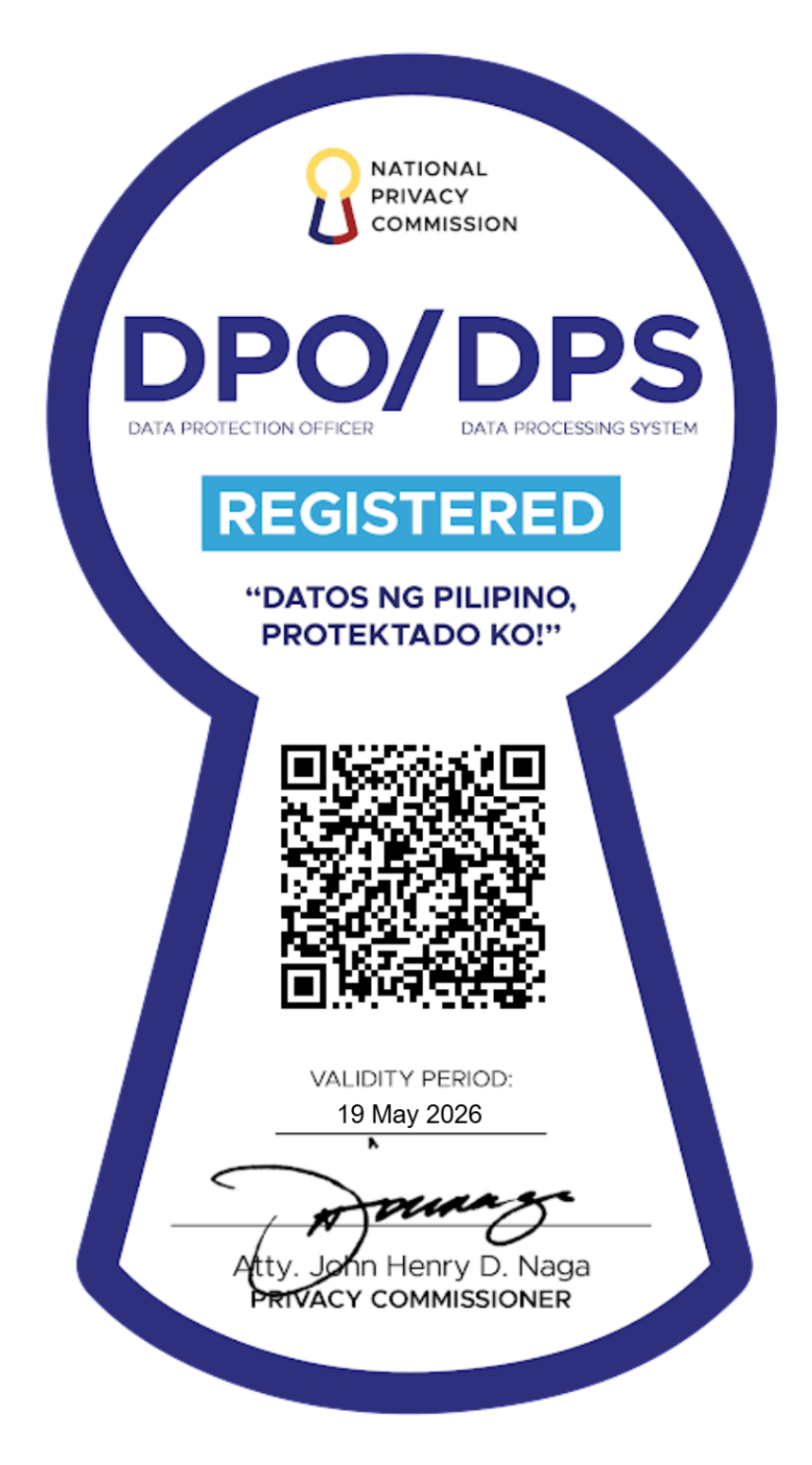






In the digital era, data is one of the most valuable assets for any business. From customer information to employee records, businesses in the Philippines collect, process, and store vast amounts of personal and sensitive data. Protecting this information is not only a legal requirement under the Data Privacy Act of 2012 (RA 10173) but also a strategic business priority.
A Data Protection Officer (DPO) is a professional responsible for overseeing a company’s data privacy compliance, minimizing risks, and building trust with stakeholders. In this guide, we’ll explore the benefits of appointing a DPO, its role in compliance, and how Philippine businesses can implement this role effectively.
What is a Data Protection Officer (DPO)?
A Data Protection Officer (DPO) is a designated professional tasked with managing an organization’s data privacy program. Their responsibilities include ensuring that personal and sensitive information is collected, processed, stored, and shared in compliance with local and international privacy regulations.
In the Philippines, the Data Privacy Act of 2012 (RA 10173) requires businesses processing sensitive personal information to comply with strict privacy standards. For companies handling large volumes of personal data or operating in regulated sectors, appointing a DPO is mandatory.
Key Roles of a DPO:
- Monitor compliance with privacy laws
- Conduct risk assessments and audits
- Serve as a liaison with regulators and data subjects
- Advise management on data privacy strategies
Benefits of Appointing a DPO
Ensure Compliance with Data Privacy Laws
A DPO ensures your business complies with relevant data protection regulations.
- Reduces the risk of fines and penalties under RA 10173 or GDPR.
- Maintains updated internal policies and compliance reports.
- Helps businesses avoid legal issues and regulatory scrutiny.
Minimize Risk of Data Breaches
Data breaches can have severe consequences, including financial losses, reputational damage, and regulatory penalties. A DPO helps mitigate risks by:
- Implementing secure data handling and storage practices
- Conducting risk assessments and audits to identify vulnerabilities
- Training employees on data privacy best practices
Example: Financial institutions and healthcare providers handle sensitive information daily, making a DPO essential for safeguarding personal data.
Build Customer and Partner Trust
A DPO demonstrates your organization’s commitment to protecting personal information. This transparency:
- Increases customer confidence and loyalty
- Attracts business partners who value compliance
- Enhances brand reputation in competitive markets
Trust is especially crucial for industries like finance, healthcare, e-commerce, and technology.
Serve as a Liaison for Regulators and Data Subjects
A DPO serves as the primary contact for both regulatory authorities and individuals whose data is being processed. Responsibilities include:
- Responding to data subject access requests
- Handling complaints about data usage
- Reporting data breaches to the NPC in compliance with legal requirements
This ensures transparency, accountability, and proper regulatory communication.
Provide Expert Guidance on Data Handling
DPOs bring specialized knowledge in:
- Privacy laws and regulations
- Cybersecurity practices
- Data Protection Impact Assessments (DPIAs)
This ensures that organizational decisions regarding personal data are informed and compliant.
Reduce Legal and Financial Liabilities
With a DPO in place, businesses can:
- Avoid fines and penalties
- Minimize the risk of lawsuits
- Protect their reputation in case of incidents
Improve Internal Governance and Efficiency
A DPO standardizes processes and ensures:
- Consistent data handling across departments
- Faster response to data requests or breaches
- Clear accountability and reporting lines
Responsibilities of a Data Protection Officer
|
Responsibility |
Description |
|
Compliance Oversight |
Monitors data processing and ensures legal adherence |
|
Policy Development |
Creates and updates data protection policies |
|
Risk Management |
Conducts risk assessments and DPIAs |
|
Staff Training |
Educates employees on privacy practices |
|
Regulatory Liaison |
Handles inquiries from regulators and data subjects |
|
Incident Management |
Detects, responds to, and reports breaches |
When Should Philippine Businesses Appoint a DPO?
Businesses must appoint a DPO if they:
- Process sensitive personal information
- Operate in regulated industries like finance, telecom, or healthcare
- Maintain large-scale personal data databases
Even if not legally required, appointing a DPO is a best practice for all businesses handling personal data.
How to Appoint a DPO
- Identify a qualified individual with expertise in data protection laws
- Ensure the DPO is independent and reports directly to management
- Provide adequate resources and authority
- Clearly define roles, responsibilities, and reporting channels
Businesses can appoint an internal DPO, hire a dedicated professional, or outsource the role to a trusted provider like Filepino.
FAQs: Data Protection Officer
What is a Data Protection Officer (DPO)?
A DPO is responsible for overseeing data privacy, compliance, and secure data handling within an organization.
Who needs a DPO in the Philippines?
Businesses that process sensitive personal information, operate in regulated sectors, or maintain large databases.
Can a business outsource the DPO role?
Yes. Organizations can appoint an external DPO or use specialized service providers like Filepino.
What are the main benefits of appointing a DPO?
Compliance, reduced data breach risk, customer trust, liability reduction, and improved governance.
Does appointing a DPO guarantee data security?
While a DPO improves compliance and reduces risks, organizations must also implement technical safeguards and staff training.
Ready to Protect Your Business and Data?
Don’t wait for a data breach or compliance issue to happen. Appoint a Data Protection Officer (DPO) today and ensure your business complies with the Philippine Data Privacy Act (RA 10173), safeguards sensitive information, and builds trust with your customers and partners.
At Filepino, we help Philippine businesses:
- Appoint and manage qualified Data Protection Officers
- Implement robust data privacy and compliance programs
- Conduct risk assessments and audits
- Stay fully compliant with RA 10173 and international privacy laws
Protect your business. Build trust. Ensure compliance. Get Started with Filepino Data Privacy Services Today.
… and you might just need our assistance.
Need more information or assistance? Set up a consultation with FilePino today! Call us at (02) 8478-5826 (landline) and 0917 892 2337 (mobile) or send an email to info@filepino.com.